


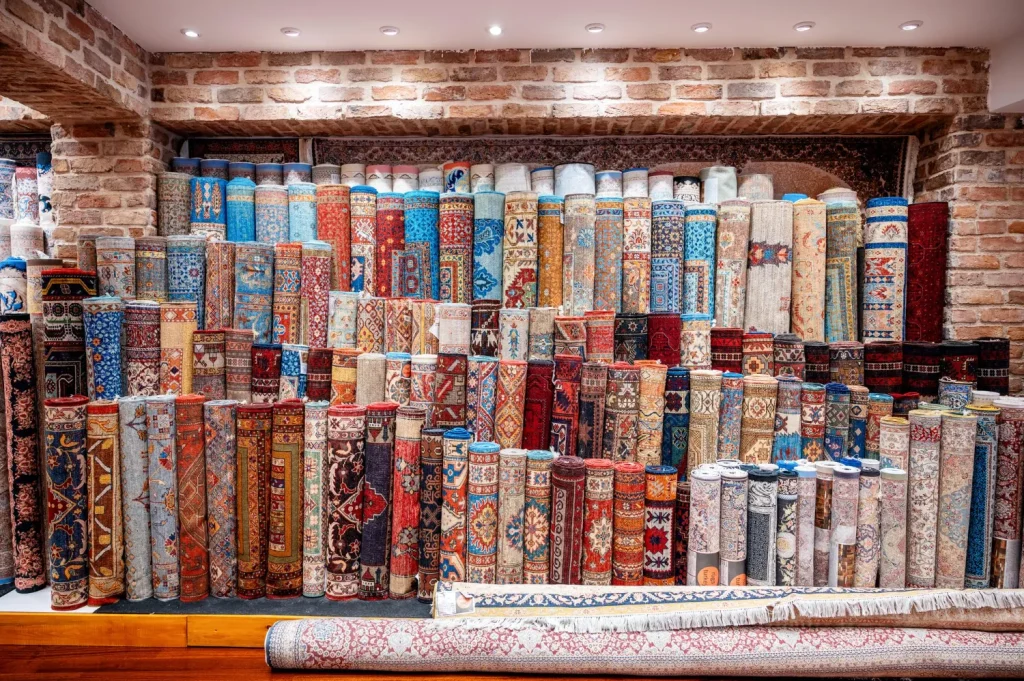
How to Choose the Best Carpet Colors for Your Home
Choosing a carpet color is about more than selecting a shade you like. The right color can make a room feel larger, warmer, brighter, and more inviting, while also helping conceal everyday dirt and wear. Since carpet often covers a large part of the room, your choice can strongly influence the entire look and atmosphere of your home.
Neutral shades such as beige, taupe, greige, and soft gray remain popular because they work with many décor styles and are easier to live with over time.carpetgurus
1. Consider the Room’s Size
Carpet color can change how large or small a room appears.
- Light colors such as ivory, cream, beige, and soft gray can make a small room feel more spacious.
- Medium shades such as taupe, greige, and warm gray create a balanced and comfortable appearance.
- Dark colors such as chocolate brown, charcoal, and navy can make a large room feel cozier.
- Very dark carpet may make a compact room feel smaller, especially when combined with dark walls and furniture.
For small bedrooms or apartments, choose a light or medium neutral carpet. In a large family room, a deeper shade can add warmth and visual balance.
2. Check the Natural and Artificial Lighting
Lighting affects how carpet appears. A color that looks warm in a showroom may appear cooler or darker in your home.
Before making a decision:
- Place a large carpet sample in the room.
- Look at it in the morning, afternoon, and evening.
- Check the color under both natural light and artificial lighting.
- Compare the sample with your walls, furniture, curtains, and flooring.
Rooms with limited sunlight usually benefit from warm shades such as beige, cream, tan, or greige. Bright rooms can accommodate cooler colors, including gray, blue-gray, or muted green.
3. Match the Carpet with Your Existing Décor
Your carpet should complement the main elements in the room rather than compete with them.
For modern interiors
Consider:
- Cool gray Carpet
- Charcoal Carpet
- Greige Carpet
- Soft white Carpet
- Blue-gray Carpet
These shades pair well with clean lines, metal finishes, glass, and minimalist furniture.
For traditional interiors
Consider:
- Warm beige Carpet
- Taupe Carpet
- Caramel Carpet
- Medium brown Carpet
- Muted gold Carpet
These colors create a classic and welcoming foundation for wooden furniture and patterned fabrics.
For coastal or relaxed interiors
Consider:
- Sand Carpet
- Ivory Carpet
- Pale blue Carpet
- Soft sage Carpet
- Light gray Carpet
These shades create a calm, airy feeling and work well with natural textures.
4. Think About Traffic and Maintenance
A carpet’s color should suit the amount of activity in the room. High-traffic areas such as hallways, stairs, living rooms, and family rooms require more practical choices.
- Medium beige, taupe, and gray help disguise everyday dust and moderate wear.
- Brown and patterned carpets are useful in busy areas because they can conceal small marks and footprints.
- Very pale carpets may show dirt more easily.
- Solid dark carpet can reveal lint, pet hair, and dust.
- Multicolored or subtly patterned carpet can be forgiving in homes with children or pets.
If easy maintenance is important, avoid choosing a carpet based only on its appearance in a showroom. Ask about stain resistance, cleaning requirements, fiber type, and warranty coverage.
5. Choose Colors by Room
Different rooms can benefit from different carpet shades.
| Room | Suitable Carpet Colors | Why They Work |
| Living room | Beige, taupe, greige, warm gray | Versatile and easy to coordinate |
| Bedroom | Ivory, soft beige, muted blue, sage green | Creates a calm and comfortable atmosphere |
| Family room | Medium gray, brown, charcoal, patterned neutrals | Handles activity and hides everyday wear |
| Home office | Gray, taupe, muted blue, brown | Provides a focused and professional appearance |
| Stairs and hallways | Medium brown, charcoal, taupe, patterned neutrals | Better suited to heavy traffic |
| Children’s room | Medium beige, soft gray, muted colors | Practical while remaining attractive |
You do not necessarily need to use the same carpet color throughout the house. However, choosing shades from a similar color family can help create a smooth visual flow between rooms.
6. Understand Popular Carpet Colors
Beige and ivory
Beige is one of the most adaptable carpet colors. It creates a warm, bright appearance and works with both traditional and contemporary interiors. Ivory feels elegant and spacious but may require more frequent cleaning.
Gray
Gray carpet gives a modern, understated look. Light gray can brighten a room, while charcoal creates depth. Be aware that some gray carpets can make a room feel cold, so balance them with warm wood, cream fabrics, or colorful accessories.
Greige
Greige combines gray and beige, making it one of the most flexible choices for a whole-home carpet. It can work with both warm and cool furnishings and is less likely to look dated as your décor changes.
Brown
Brown carpet creates a cozy and grounded atmosphere. Medium and chocolate brown shades can be practical for busy spaces, but very dark brown may make a room look heavy if the walls and furniture are also dark.
Blue and green
Soft blue and muted green can bring a relaxed, nature-inspired feeling to bedrooms, studies, and sitting rooms. Use subdued tones if you want the carpet to remain easy to coordinate with future décor.
7. Consider Solid or Patterned Carpet
A solid carpet creates a clean, continuous appearance and can make a room look larger. It is a good choice when your furniture, curtains, or walls already contain patterns.
A patterned carpet can add personality and help hide footprints, stains, and wear. For a balanced look, choose a subtle pattern in two or three colors rather than a design that overwhelms the room.
A useful approach is to keep patterned furniture with a simple carpet, or pair plain furniture with a gently patterned carpet.
8. Take Your Lifestyle into Account
The best carpet color is one that suits the way you use your home.
Ask yourself:
- Do you have children or pets?
- Is the room used every day?
- Do you entertain guests frequently?
- Are you comfortable with regular professional cleaning?
- Do you prefer a bright, elegant appearance or a more forgiving finish?
- Are you planning to sell the home in the future?
For a busy household, medium neutrals and subtle patterns are usually practical. If the room is used less often, such as a guest bedroom or formal sitting room, you may have more freedom to choose a lighter or more distinctive shade.
9. Avoid Choosing from a Small Swatch Alone
A small sample can be misleading. Carpet often looks different when spread across an entire floor because the color becomes more noticeable and may appear lighter or darker depending on the room.
Request the largest sample available and place it near:
- Walls.
- Sofas and chairs.
- Curtains.
- Cabinets.
- Existing wood or tile flooring.
- The room’s main light sources.
If possible, view the sample for at least a day before ordering. This helps you see how the color changes throughout the day.
10. Think Beyond Current Trends
Trendy colors can be attractive, but carpet is a long-term investment. A shade that looks fashionable today may not suit your décor after a few years.
For lasting appeal, consider:
- Beige Carpet
- Taupe Carpet
- Greige Carpet
- Soft gray Carpet
- Medium brown Carpet
- Subtle neutral patterns Carpet
You can bring stronger colors into the room through cushions, artwork, curtains, rugs, and accessories. These items are easier and less expensive to replace than wall-to-wall carpet.
Final Checklist
Before choosing your carpet color, make sure you have:
- Considered the room’s size and lighting.
- Compared the carpet with your furniture and wall colors.
- Thought about traffic, pets, children, and cleaning.
- Viewed a large sample inside your home.
- Checked the color during different times of day.
- Asked about stain resistance and warranty coverage.
- Chosen a shade that will work with future décor changes.
FAQ’s:
1. Which carpet colors make a room look bigger?
Light colors such as ivory, cream, beige, and pale gray can make a room appear more spacious and brighter. They reflect more light and create a more open visual effect.
2. Is gray carpet a good choice?
Yes. Gray carpet offers a modern and neutral appearance. Light gray can brighten a room, while charcoal adds depth. Warm furniture and wooden accents can prevent gray carpet from making the space feel too cold.
3. What carpet color is best for homes with children?
Medium beige, taupe, gray, brown, and subtly patterned carpets are good choices for homes with children. These colors can help disguise everyday marks while maintaining an attractive appearance.
4. What carpet color is best for homes with pets?
Medium-tone carpets with subtle patterns are often practical for homes with pets. They can help conceal pet hair and minor dirt better than very light or completely dark carpet. Stain-resistant carpet fibers are also important.
5. Are patterned carpets a good idea?
Patterned carpets can add visual interest and help conceal footprints, stains, and signs of wear. Choose a subtle pattern if the room already contains patterned furniture, curtains, or artwork.
Conclusion
The best carpet color is a balance between appearance, comfort, lifestyle, and maintenance. Neutral shades such as beige, taupe, greige, and gray are dependable choices, while brown, muted blue, green, and subtle patterns can add personality to specific rooms. Take your time, test samples in your own lighting, and choose a carpet that will remain practical and attractive for years to come.