

Carpet Installation Techniques That Work Best in Coastal South Carolina
Living in Coastal South Carolina means enjoying sandy beaches, salty breezes, and plenty of humidity. But with that beauty comes unique challenges for home interiors, especially when it comes to flooring. Carpet installation near the coast requires a different approach than in drier areas. From selecting the right materials to using installation methods that withstand moisture and salt air, homeowners can extend the life and look of their carpet when the right techniques are applied.
Choosing the Right Materials
- Fiber Types Suited for Coastal Environments
Not all carpet fibers handle humidity the same. For South Carolina’s coastal climate, synthetic fibers such as nylon, polyester, and triexta are ideal. These materials resist mold, mildew, and staining, which makes them more durable in homes where sand and damp air are part of everyday life.
- Backing & Cushion Selection
The right backing can make or break your carpet’s performance. Opt for moisture-resistant backings that won’t trap dampness and lead to odor. Pairing the carpet with a high-quality cushion designed for different conditions can improve comfort and prolong carpet life.
Installation Methods Adapted for Coastal Conditions
- Stretch-in (Tackless) Installation
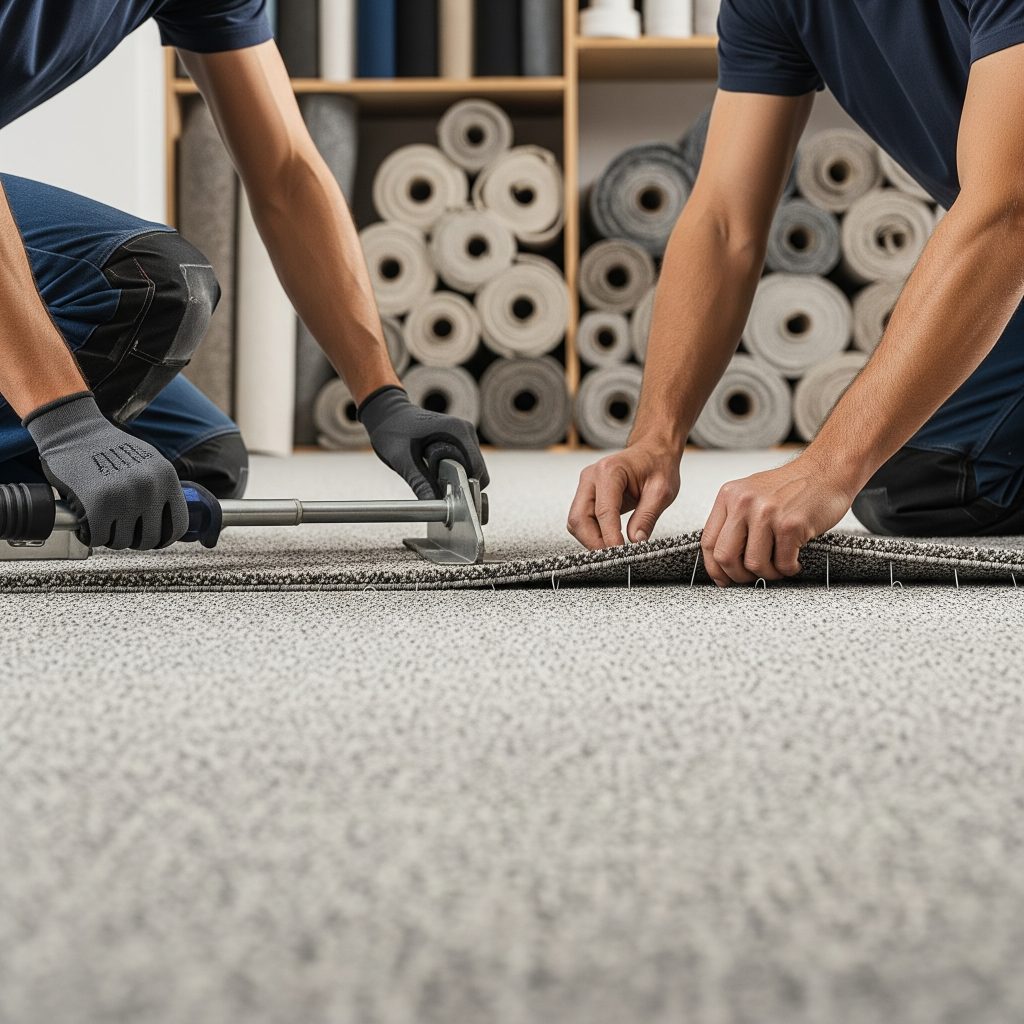
The most common method, stretch-in, uses tacking strips for carpet around the perimeter of the room. This method allows the carpet to expand and contract with humidity, reducing the risk of wrinkles and buckling.
- Direct Glue-Down or Double-Stick
In high-humidity areas or commercial spaces, glue-down installation provides extra stability. Double-stick (cushion glued to the subfloor, carpet glued to cushion) combines comfort with strength, perfect for homes close to the shoreline where moisture levels fluctuate.
Seam Placement & Pattern Matching
Seam visibility can be more noticeable in sun-filled coastal homes. Installers carefully align carpet patterns and place seams away from natural light sources like windows or patio doors. A professional eye ensures the carpet looks seamless even in bright beachside light.
Post-Installation Care & Maintenance
Once the carpet is installed, maintenance is key. Regular vacuuming helps remove sand particles that can wear down fibers. Professional cleaning every 12–18 months keeps the carpet fresh and prevents salt and moisture buildup. Using mats at entryways reduces wear near exterior doors, where humidity and grit are most likely to sneak in.
Why Professional vs DIY Matters in Coastal Environments
While DIY projects may be tempting, coastal conditions make carpet installation techniques more complex. Professionals understand humidity control, seam planning, and subfloor prep, all critical in extending carpet performance. Many flooring experts in the region also offer services beyond carpet, such as hardwood floor refinishing contractors or guidance on putting down hardwood floors, helpful if you’re combining carpet with other flooring types in your home.
Final Thoughts
Choosing the right carpet installation techniques for Coastal South Carolina isn’t just about style, it’s about protecting your investment from moisture, salt air, and heavy foot traffic. From using tacking strips for carpet in stretch-in installations to selecting humidity-resistant fibers, every detail counts. And while DIY may save money up front, professional installers ensure your carpet stands up to coastal living for years to come.
At Carpet Wholesalers, we specialize in flooring solutions built for the Lowcountry lifestyle. Whether you’re exploring carpet, hardwood floor refinishing contractors, or putting down hardwood floors, our team is here to guide you every step of the way.